More than 400 million surgeries are performed globally each year.
The majority of them (particularly minimally invasive and robotic procedures) are now captured on high-definition video in real time. Yet once the surgeon leaves the operating room, that footage is largely ignored.
Instead, the surgeon is forced to write the operative report entirely from memory, often while exhausted and juggling several other cases. The solution, in hindsight, feels obvious – but incredibly, no one had ever built it.
That’s why we’re so proud to participate in Uncovr’s $7 million seed round, led by Index Ventures, alongside Frst, No Label Ventures, and Entrepreneurs First, as well as Jean Nehme (founder of Digital Surgery, acquired by Medtronic), Othman Laraki (CEO of Color Health), Charlie Songhurst (Meta board member), and a group of exceptional surgeons and operators.
The consequences of this documentation gap touch everyone in the process. For patients, incomplete records mean critical details get lost in the handover: most operative reports fail to include at least 70% of recommended clinical information, and are directly linked to higher rates of infection, readmission, and reoperation.
For surgeons, the burden of reconstructing procedures from memory adds hours to an already gruelling workload, with endless hours spent on paperwork, rather than patients.
And for hospitals, the financial cost is significant: in Uncovr’s own early analysis of deployed cases, missed billable steps appeared in 16% of procedures, with a roughly 10% reimbursement gap driven entirely by failures that human review hadn’t caught.
The platform generates procedural coding and operative reports directly from surgical video and intraoperative workflow data, resulting in more accurate reimbursement, stronger clinical records, and greater visibility into what actually happens across the operating room.
The team has already seen incredible traction, reflecting just how acute the problem they’re trying to solve is. Within months of inception, the team had built a pipeline representing more than 400 operating rooms, partnered with leading health systems in the US and Europe, and analysed thousands of hours of surgical footage.
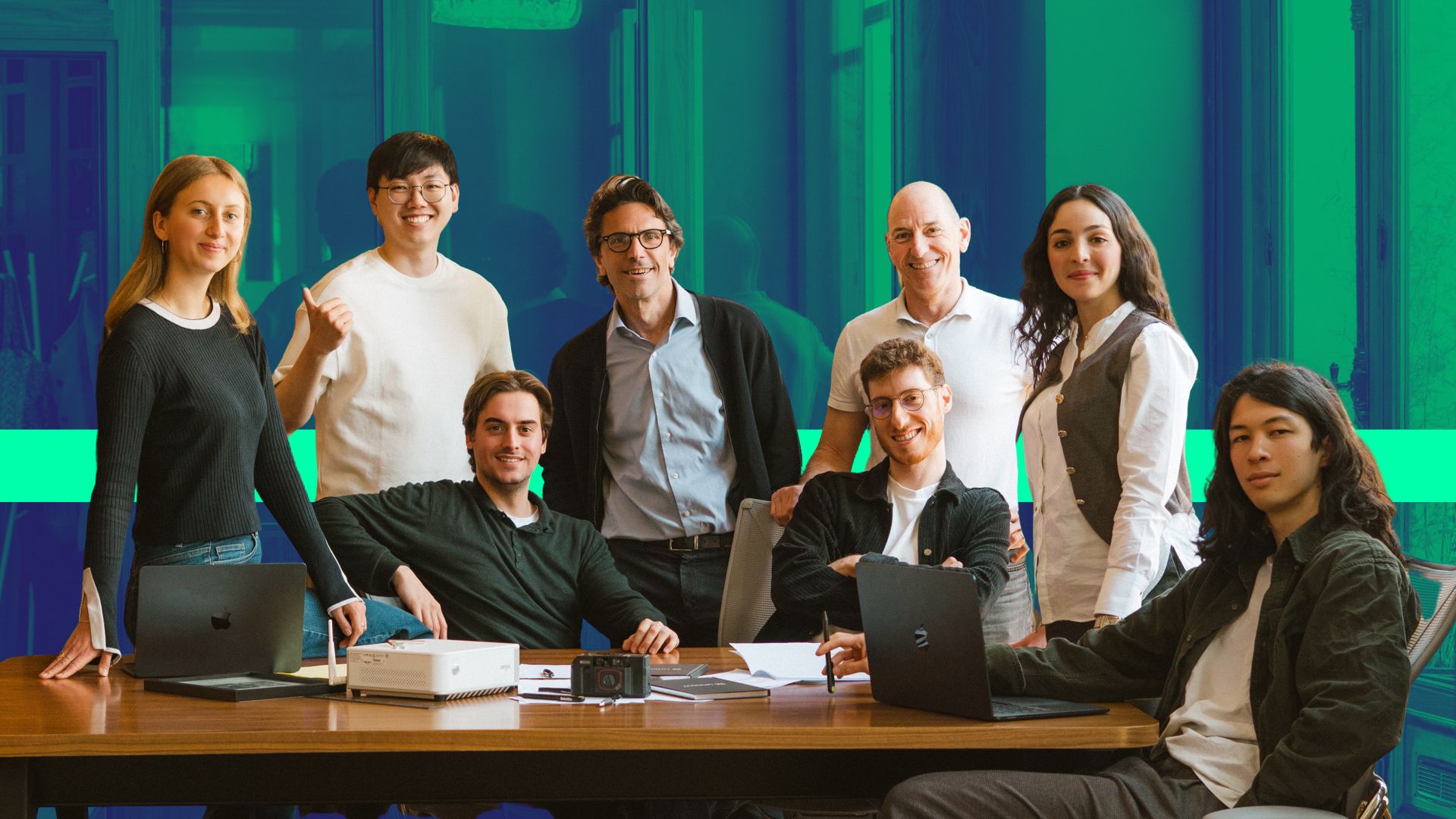
Behind Uncovr is a compelling founding team. Founded in 2025 by Ines Iraki (CEO), Johann Diep (CTO), and Prof. Eric Vibert (Medical Co-Founder), Uncovr was shaped by firsthand experience across surgery, autonomous systems, and frontier AI. While working on healthcare, Iraki spent time inside operating rooms and became obsessed with the gap between what surgical systems capture and what hospitals are actually able to use. Vibert, Chief of Surgery at AP-HP, spent years confronting the clinical consequences of incomplete operative reporting, while Diep previously developed AI systems for autonomous environments in defence and at the European Space Agency.
Felix Martinez, Principal at Seedcamp, said: “Surgical video is the most complete record of what happens inside a patient – and it’s been systematically ignored until now. Ines and Johann are a rare founding team with the technical depth, clinical credibility and relentless pace to change that. Uncovr is laying the foundational layer for how surgery gets understood, and we’re proud to be with them from the start.”
Uncovr is laying the foundational layer for how surgery gets understood, and we're proud to be with them from the start.Felix Martinez ~ Seedcamp
Ines Iraki, co-founder and CEO of Uncovr, said: “Seedcamp has been an outstanding partner and believer since day one. Their incredible support, unwavering trust, and constant willingness to help have been invaluable. We’re truly grateful to have them with us on this journey.”
Seedcamp has been an outstanding partner and believer since day one. Their incredible support, unwavering trust, and constant willingness to help have been invaluable.Ines Iraki ~ Uncovr
The opportunity extends well beyond billing. Every robotic and minimally invasive procedure generates a rich record of expert decision-making. Uncovr is building infrastructure that makes it useful: for documentation today, and for real-time guidance, training, and smarter surgical systems over time. Surgery has always been learned by watching. For the first time, it’s now possible to capture and transmit that knowledge at scale.